
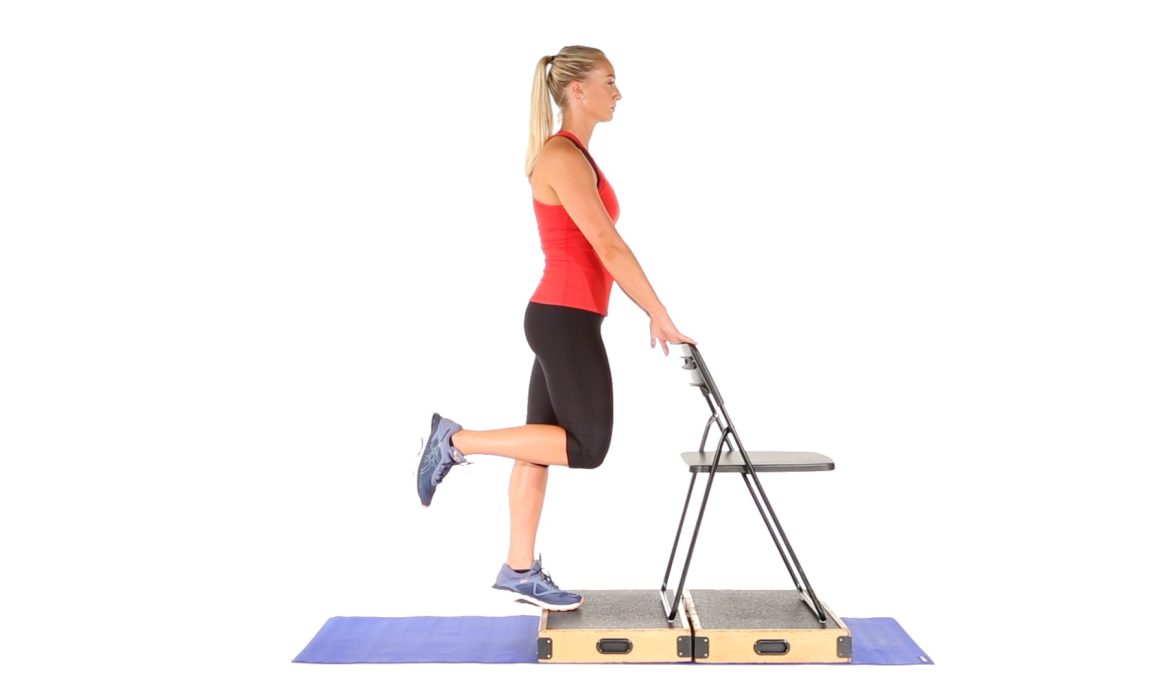
How many calf raises should I be able to do?
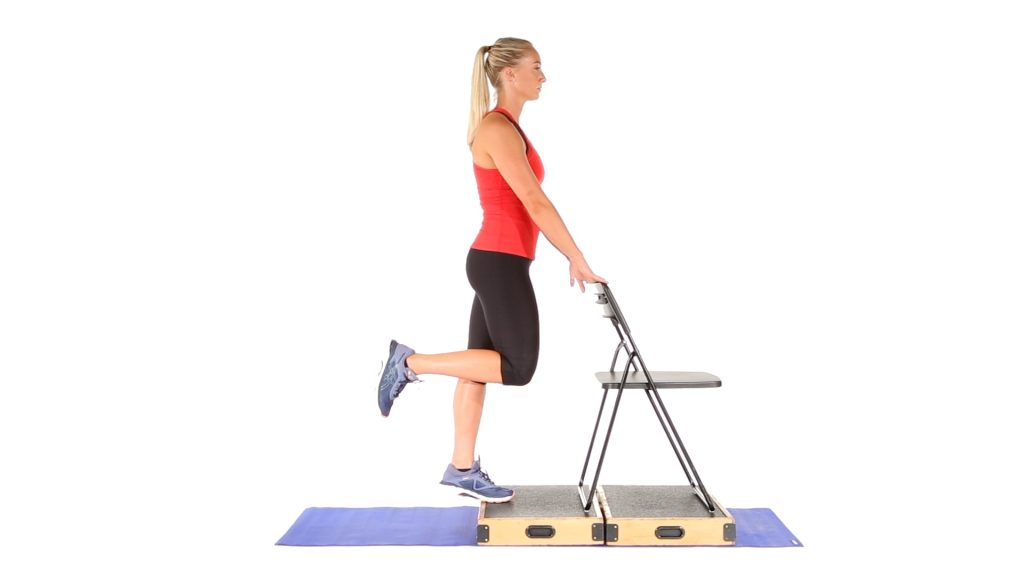
Calf raise test to failure. What number should I get?
The calf raise test (also known as the heel-rise test) is a simple way to measure the strength and endurance of your calf muscles. It involves standing on one leg and repeatedly lifting your heel as high as possible until your muscles become too tired to continue.
Test Setup and Procedure
To ensure the results are accurate and can be compared to others, the test follows a specific setup:
Start Position: You stand on one leg with your knee kept straight and your body upright. You may use a wall for light fingertip balance, but you are not allowed to push off the wall or “cheat” by using your arms to pull yourself up.
Incline Position: While the test can be done on flat ground, a common standard used in research is to perform the test on a 10-degree incline platform. This increases the range of motion and makes the test more challenging.
Cadence (Pace): The test is usually timed to a steady beat using a tool called a metronome. A standard pace is 60 beats per minute, which means you lift your heel for one second and lower it for one second, completing one full repetition every two seconds.
Termination: The test stops when you can no longer lift your heel, cannot keep up with the beat, or your form breaks down (such as , pulling up with hands, bending your knee or leaning forward).
Why the Test is Useful
The calf muscles and achilles tendons are commonly injured and are essential in breaking ground reaction forces when walking and running. A strength deficit may overload other structures like the achilles or tibialis posterior tendon, ankle or knee joint.
This test is useful because:
- Recovery Tracking: It helps clinicians see how well someone is recovering from injuries like an Achilles tendon tear or calf strain.
- Identifying strength deficits: Comparing with other individuals of the same age, we can see how you perform and decide if we need to include strength exercises in your recovery plan.
- Reliability: It is a highly consistent test, meaning if you perform it multiple times, the results are likely to be accurate reflections of your muscle capacity so we can repeat it often.
Normative Values (Typical Results)
“Normative values” are the average number of repetitions healthy people can usually complete. These numbers can change based on your age, sex, and activity level. Below are the median results from a large study of 566 healthy participants:
Normative Data for Single-Leg Calf Raise (Repetitions to Fatigue)
| Age | Males | Females |
| 20-29 years | 37 | 30-31 |
| 30-39 years | 32 | 27 |
| 40-49 years | 28 | 24-25 |
| 50-59 years | 23 | 21 |
| 60-69 years | 19 | 19 |
| 70-79 years | 14 | 16 |
| 80-89 years | 10 | 13 |
Note: In the clinical setting, a change of 6 repetitions is usually required to consider a person’s progress a “real” improvement rather than just a natural variation between tests.